Looking back on the 9th edition · Hosted by Moxii Africa

Media Freedom Festival 2026

14–16 October 2026
Goethe-Institut, Johannesburg
Around 100 participants · 50+ speakers
Elections and Accountability: News, Digital Media and Information Integrity

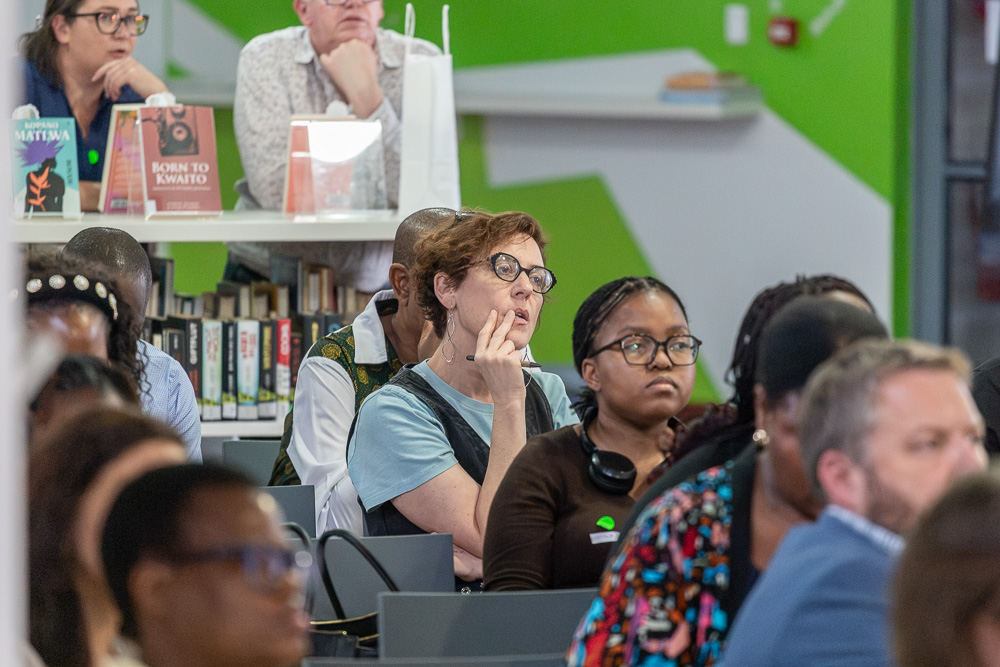
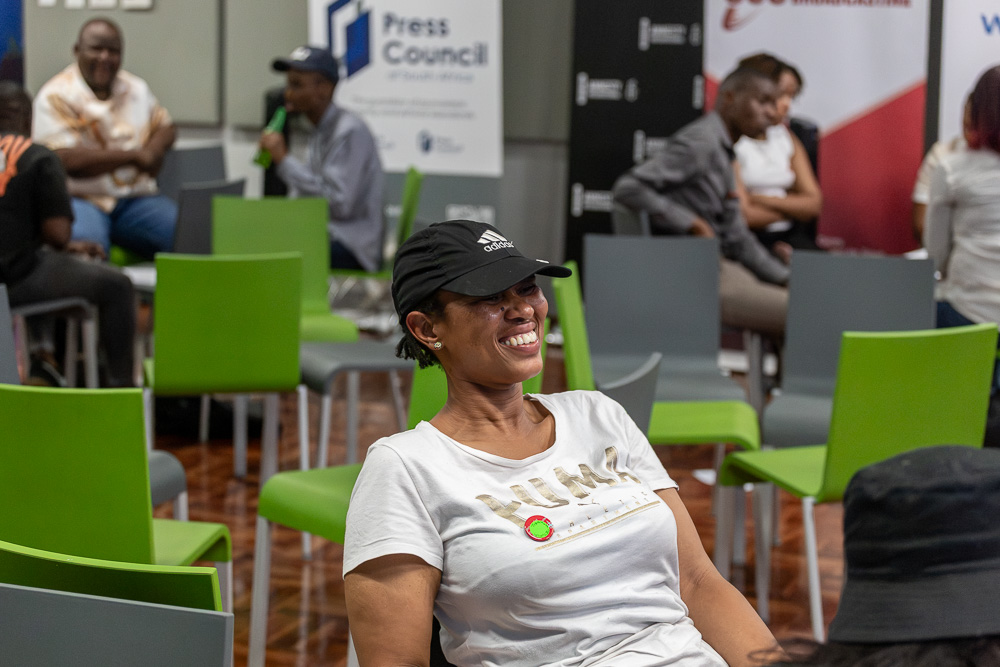
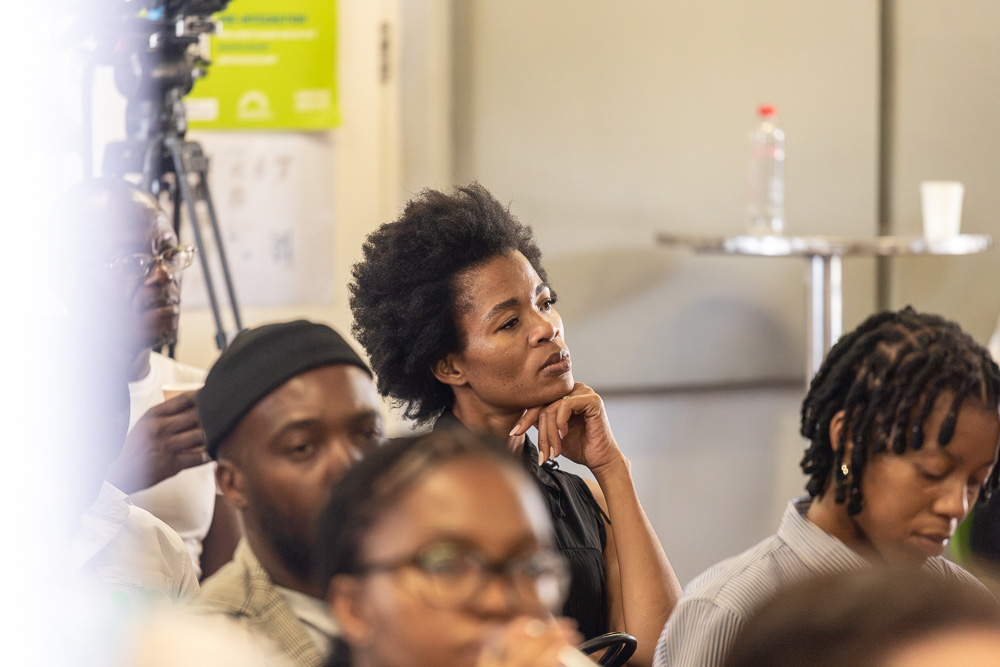
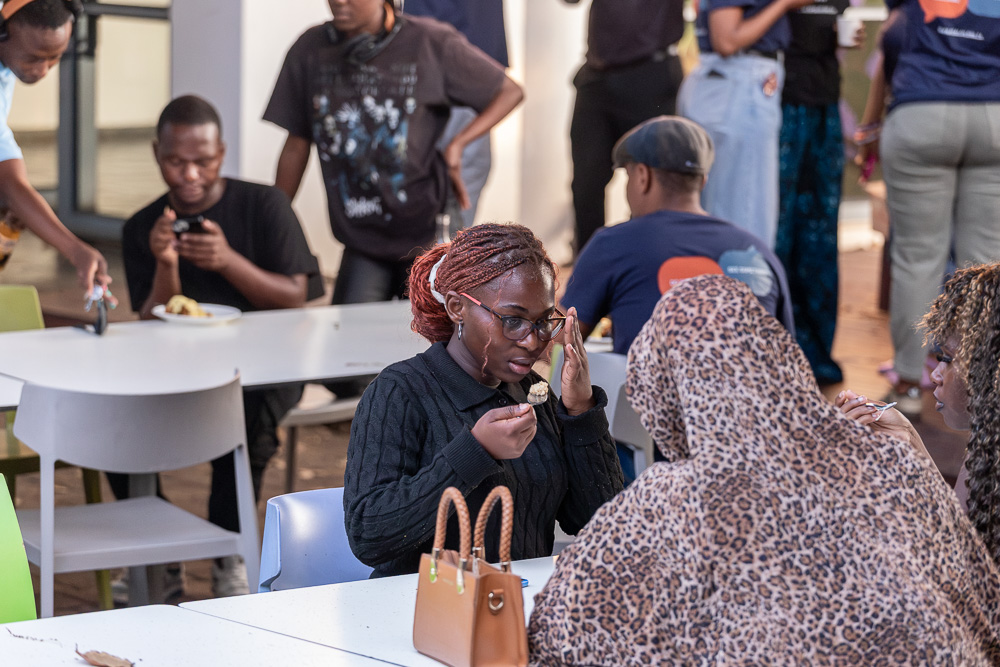
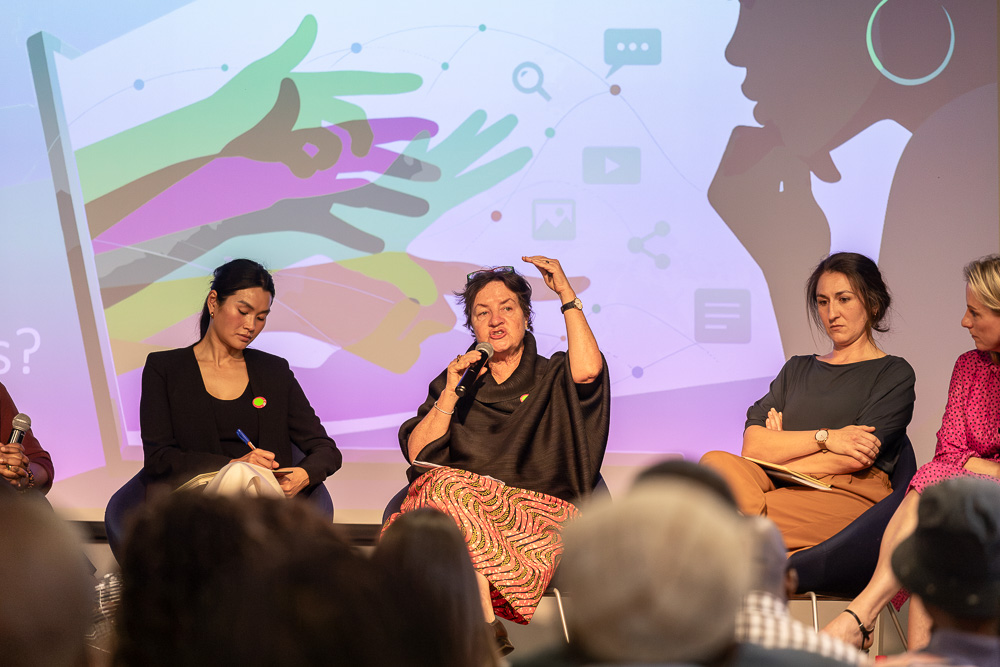
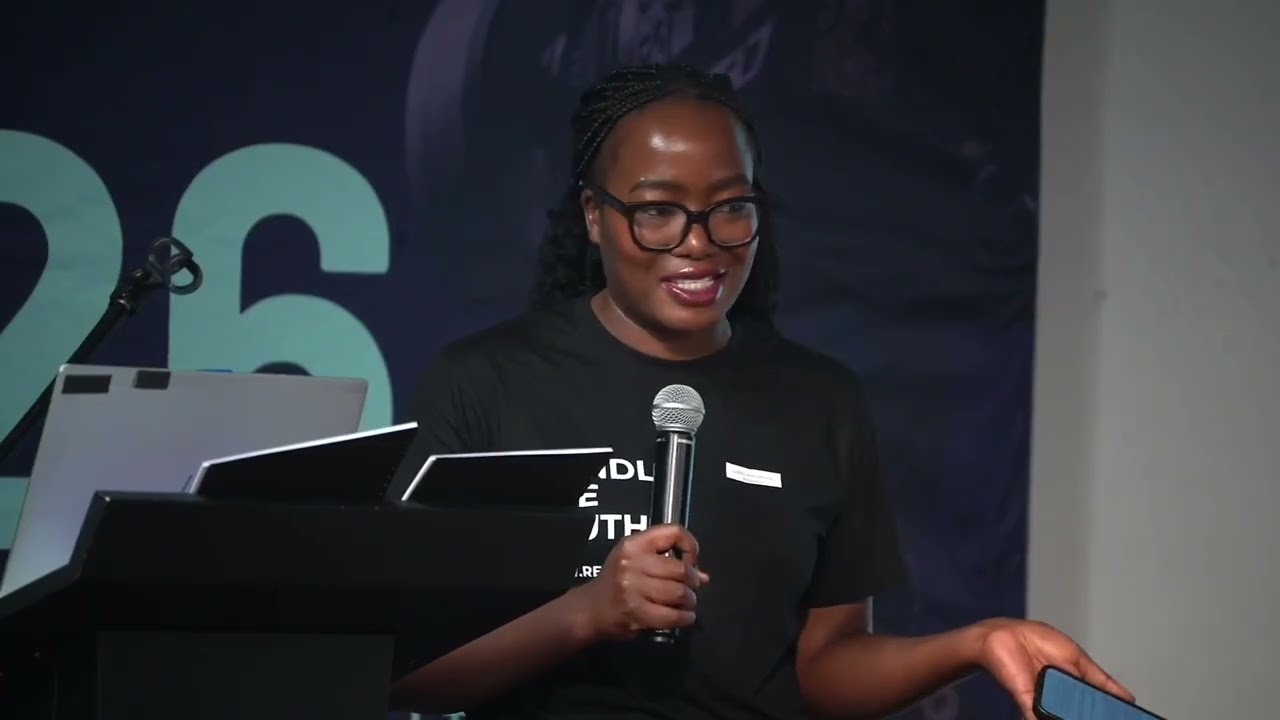
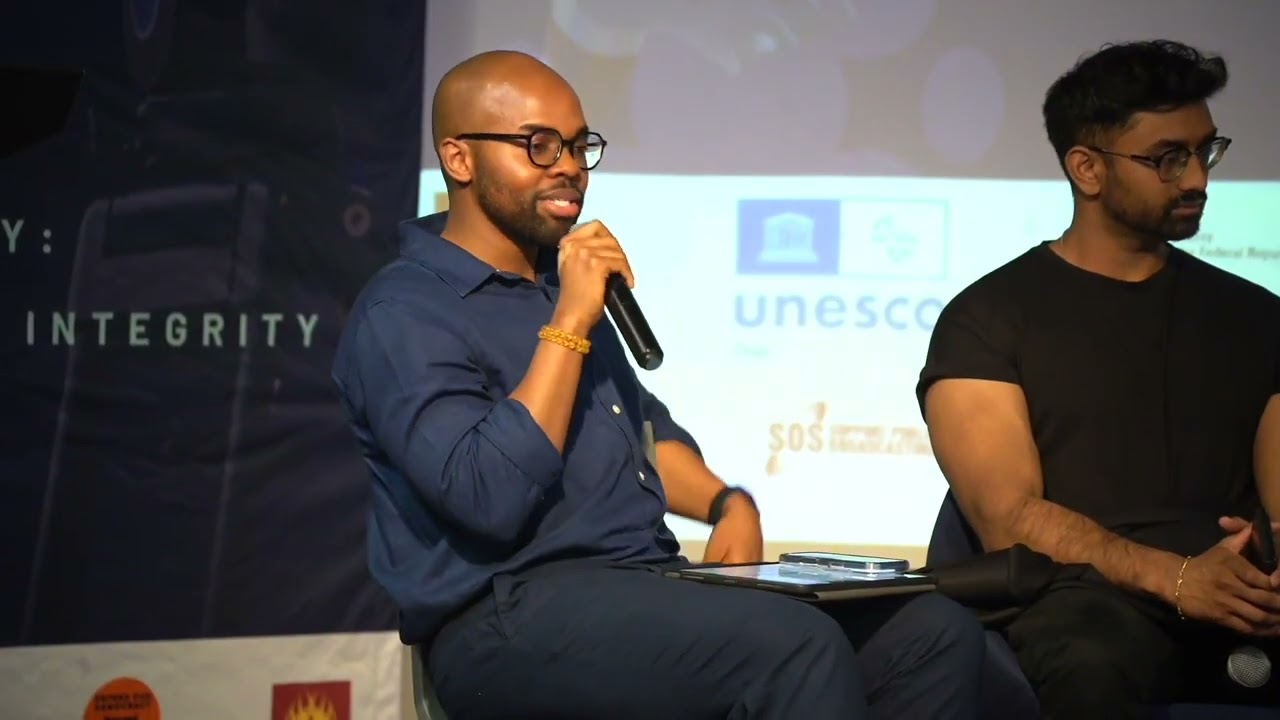
Three days of conversation, gameshows, music, mingling and more. From 14 to 16 October, around 100 people joined us in Johannesburg for the 2026 Media Freedom Festival. Together we asked how we protect democracy, human rights and information integrity at a moment when online harms, mis- and disinformation and AI-driven manipulation are reshaping how people find, trust and share information. With the Local Government Elections ahead, the conversations had a clear sense of urgency.

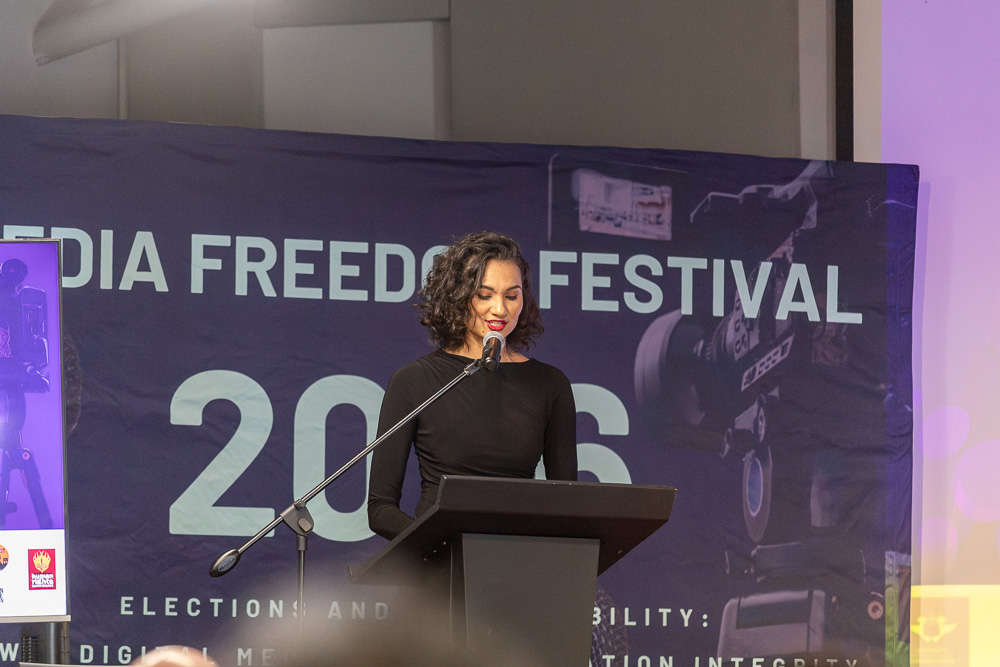
Media Freedom Festival 2026 artwork
3
Days of conversation, gameshows, music and mingling
100
Participants from media, law, government and civil society
50+
Speakers, moderators, facilitators and MCs
3
New Moxii Africa resources for tackling online harms

Three days in review

What happened

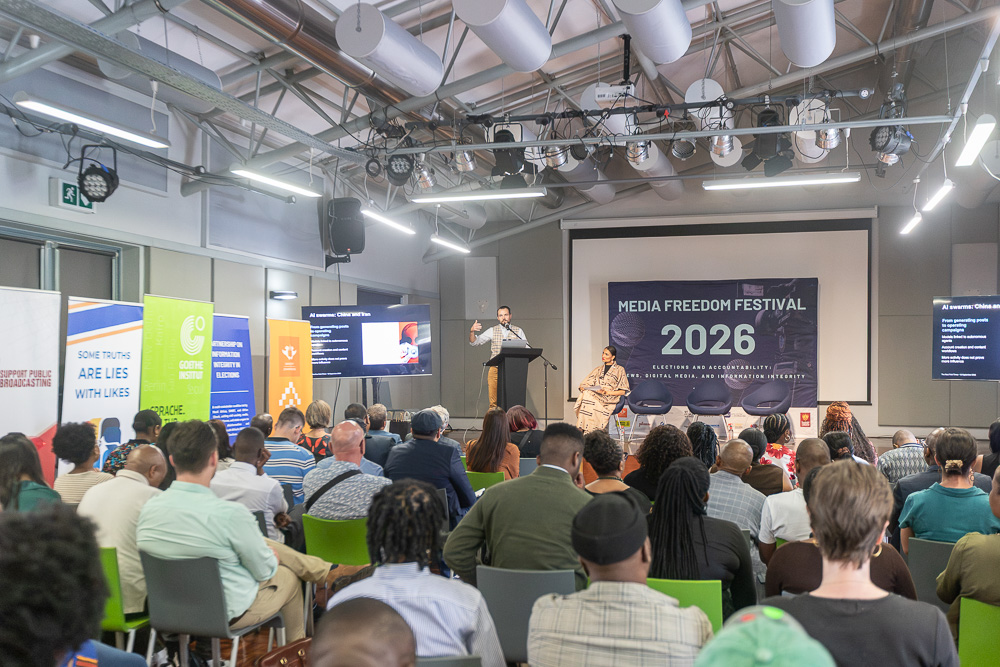
Journalists, content creators, lawyers, academics, regulators, civil society organisations, diplomats and government came together to learn, debate and build the partnerships that information integrity depends on.

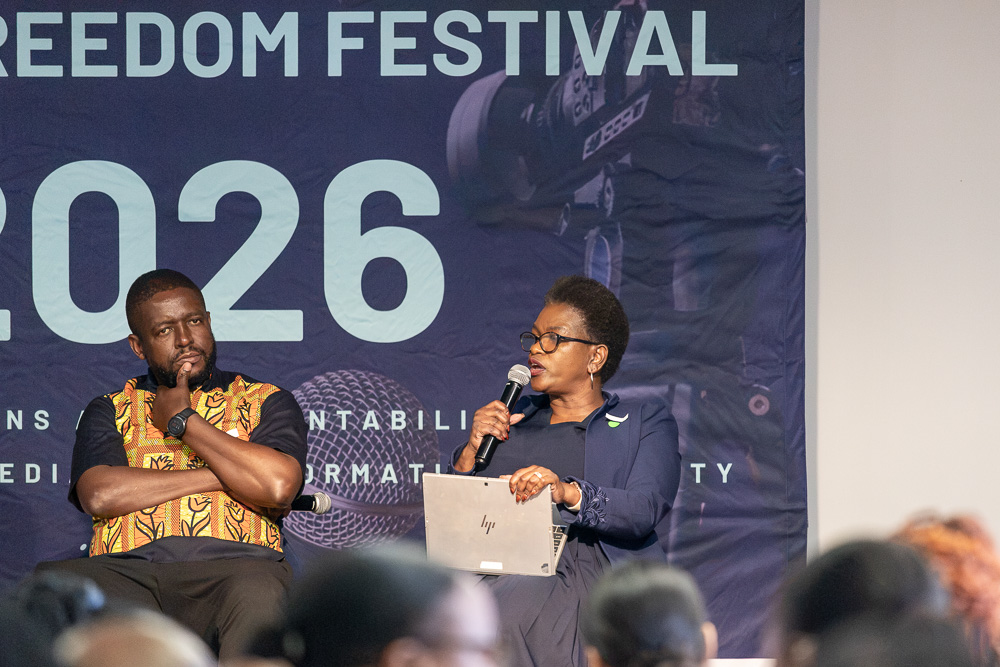
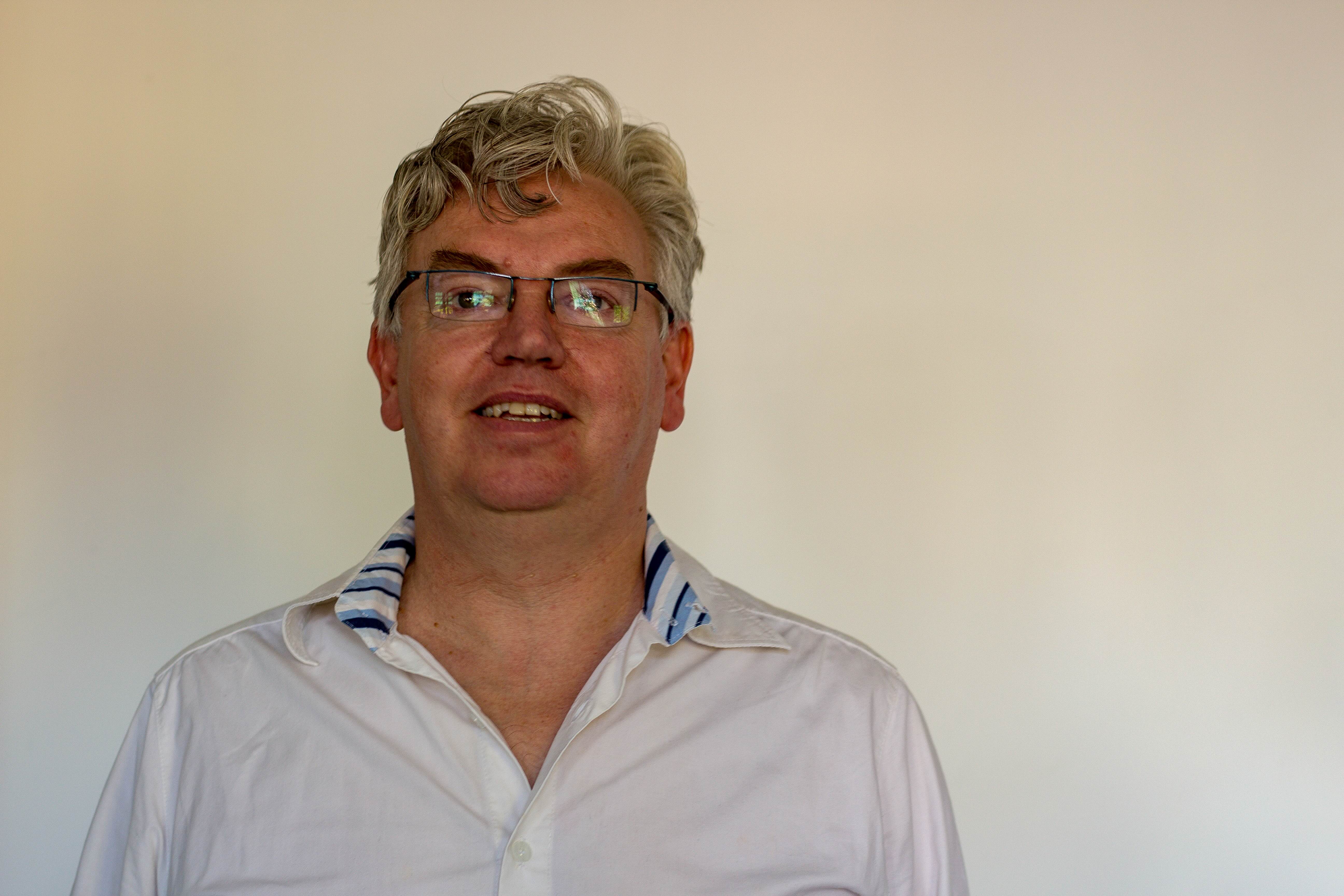
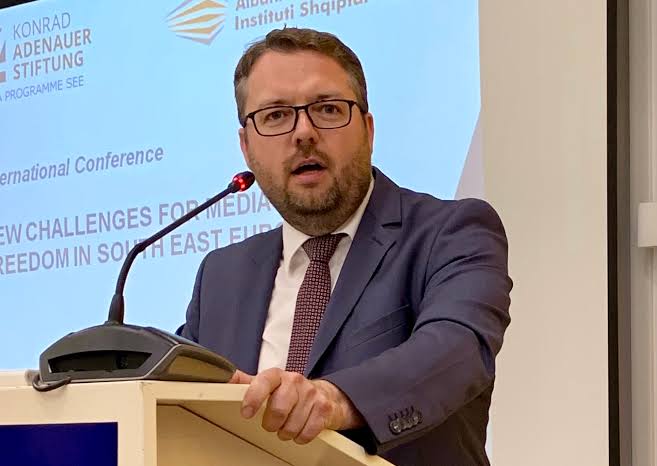
Dr Christopher Nehring delivers the opening keynote on day 1
Day 1 · Wednesday 14 October

Incitement, online harms and elections

Dr Christopher Nehring opened with his keynote, “We Need to Talk Cyber”, on how the machinery of information manipulation works across borders, and a response session grounded it in the South African context. A panel then unpacked everyday online risks and election threats. The afternoon brought a masterclass on AI disinformation and a UNHCR workshop on the language of displacement, migration and harm. Cornelius Pollmer of Die Zeit shared a Reporter’s Notebook on reporting in East Germany, and the day closed with the Rate the Hate challenge on the legal boundaries of freedom of expression.

Launch of the new Moxii Africa toolkits for tackling online harms on day 2
Day 2 · Thursday 15 October

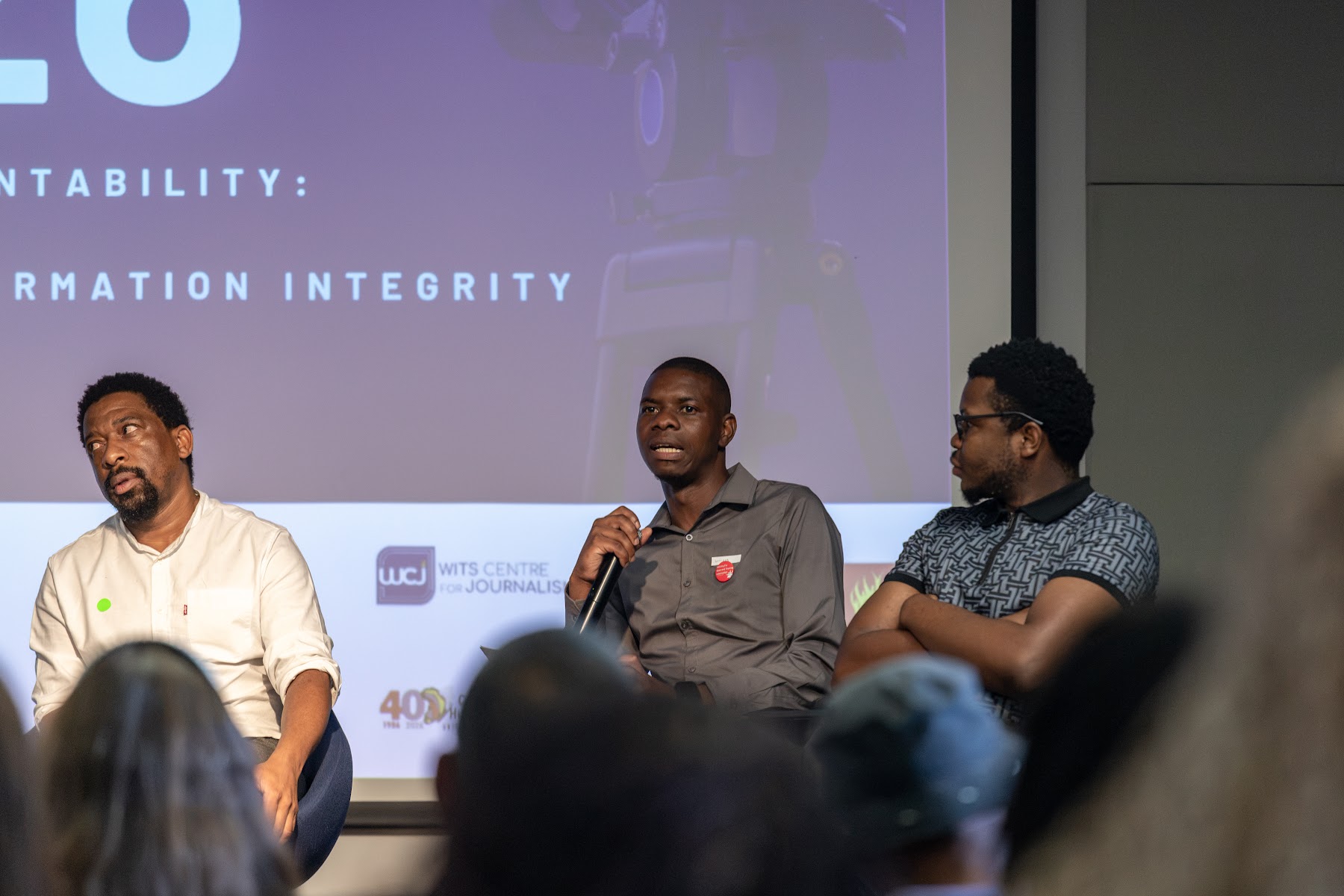
Platform accountability

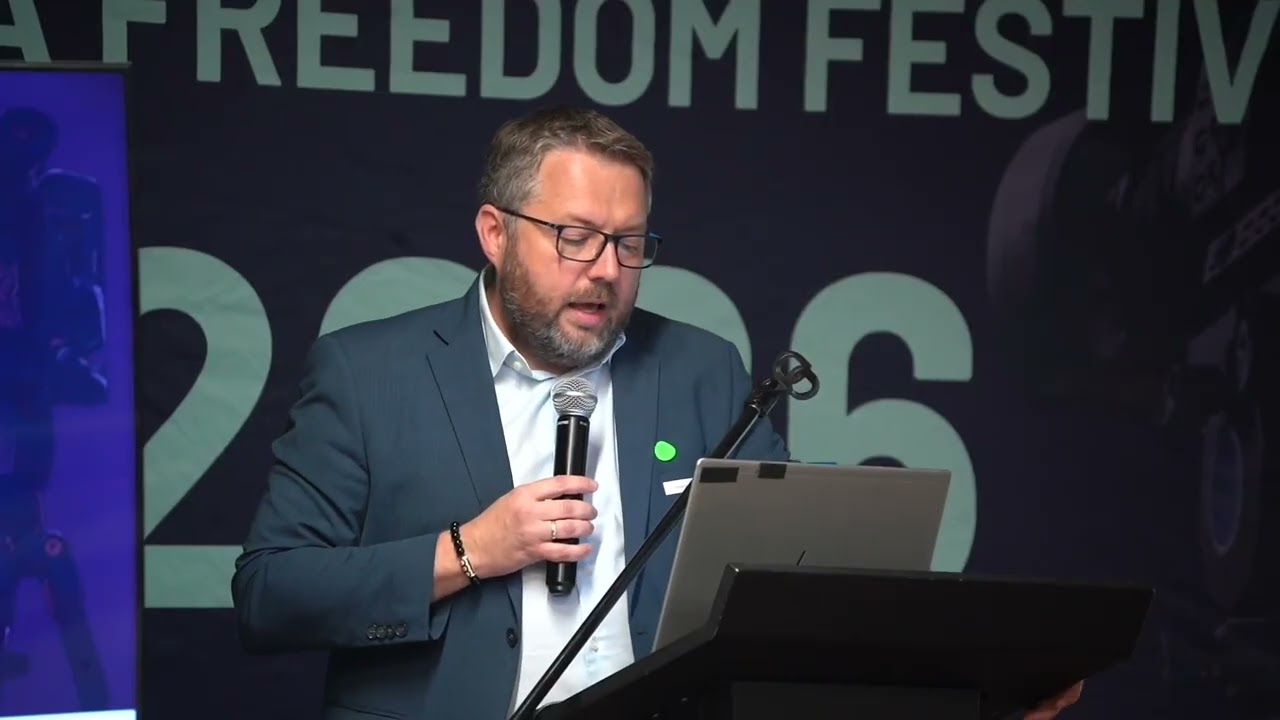
Hendrik Sittig of the Konrad-Adenauer-Stiftung opened the day. We launched three new Moxii Africa resources for tackling online harms, the Judicial Handbook for Navigating Online Harms, Your Images, Your Rights, and the Police Handbook for Navigating Cyber Crimes, alongside a new study by Nicole Fritz and Justine Limpitlaw on the EU’s Digital Services Act and Digital Markets Act and what they mean for South Africa. Lightning talks covered platform power, climate misinformation, the Moxii Africa Elections Hub and election data. The afternoon offered workshops on spotting bad actors and on what happens when fact-checking isn’t enough, plus a closed workshop on disinformation and elections. James Oatway reflected on ethics in photojournalism and imaging xenophobic violence, and the evening ended with the Elections Disinformation Quiz Night.

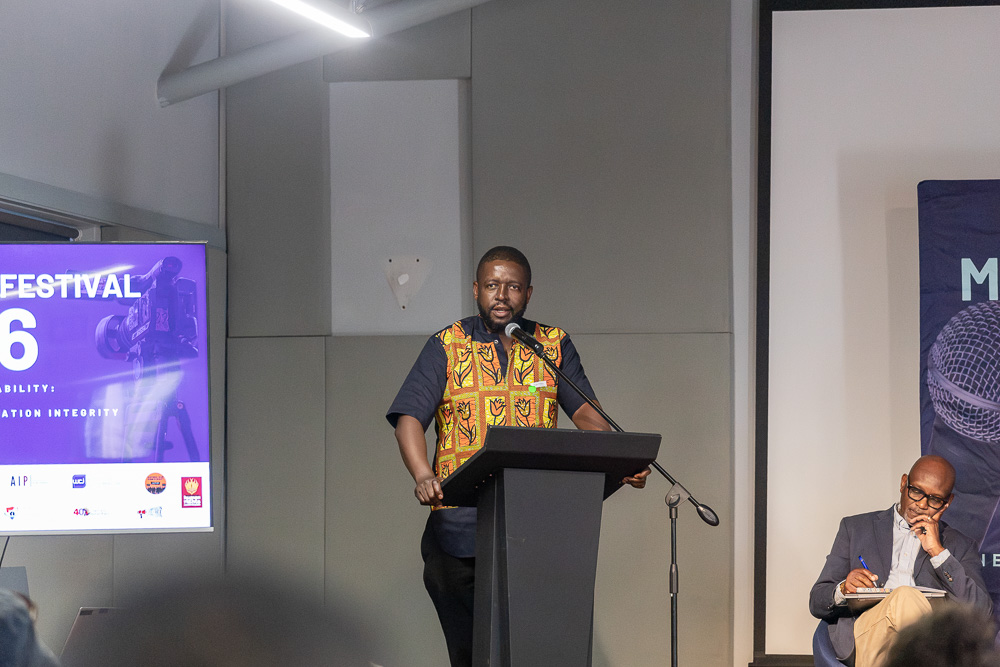
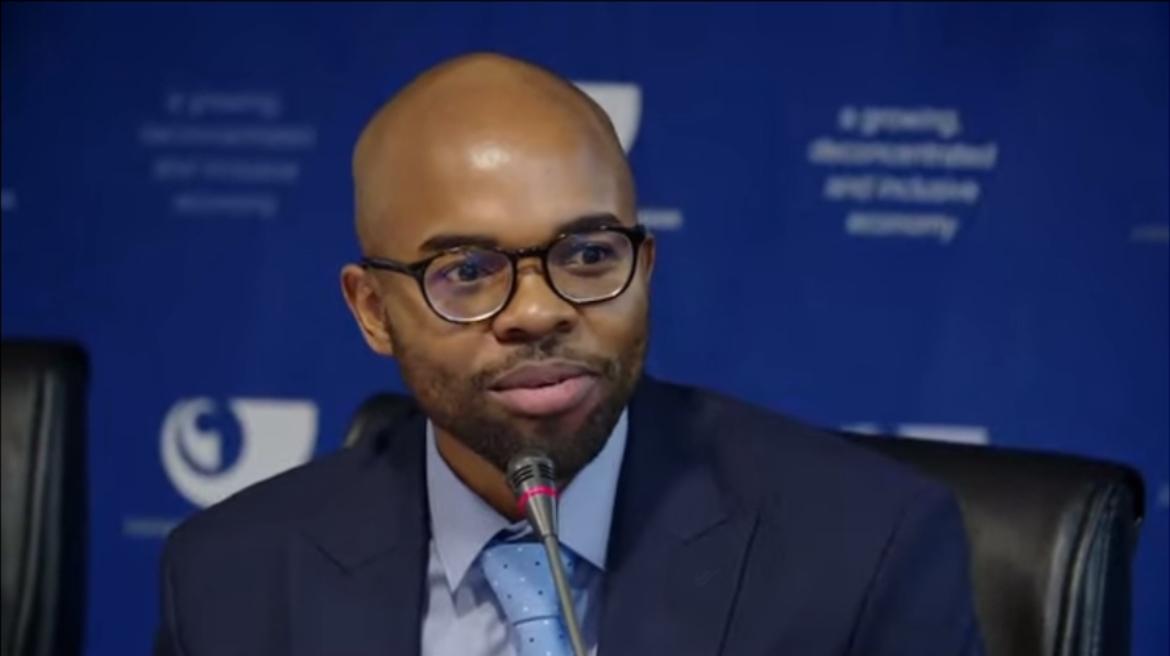
Minister Solly Malatsi delivers the day 3 keynote
Day 3 · Friday 16 October

The role of journalists and media coverage during elections

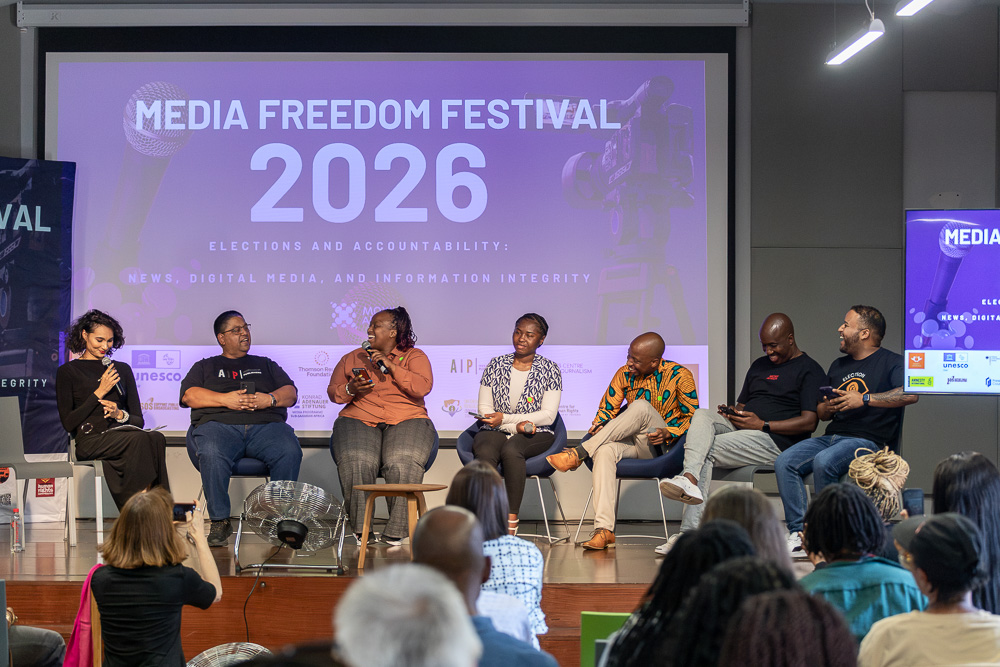
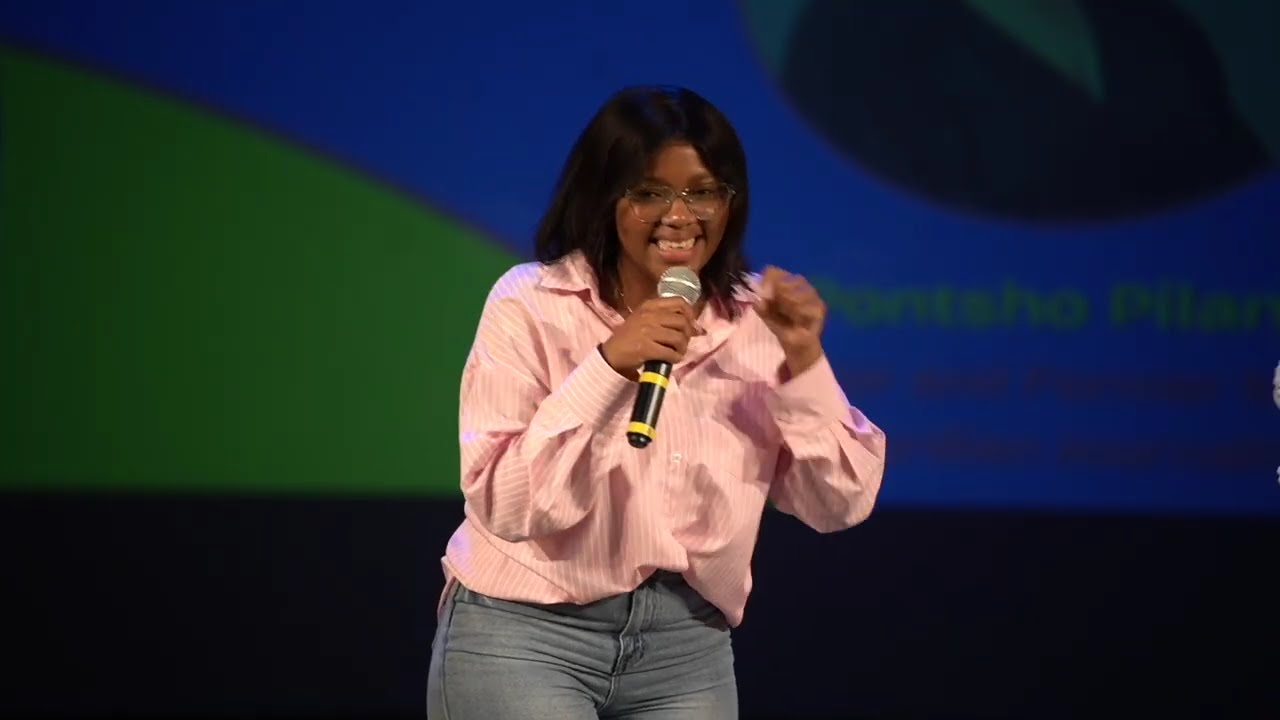
Minister Solly Malatsi delivered the keynote on information integrity ahead of #LGE2026. A panel looked at how journalists and creators can move from rivals to allies, drawing on research from the Thomson Reuters Foundation and Baraza Media Lab. Lightning talks covered community media, the role of the SABC, Gen Z and election coverage, and AI in elections monitoring. Ellen Heinrichs of the Bonn Institute spoke on constructive journalism in the age of AI, and Qaanitah Hunter led a Reporter’s Notebook. We ended the festival at the Wits Theatre with the Reporters Slam, in collaboration with the Konrad-Adenauer-Stiftung.

In it together

Thank you

The festival would not have been possible without our partners, who gave their time, expertise and support. Our thanks also go to the Goethe-Institut Johannesburg for generously giving us the venue and hosting us, and to our speakers, moderators, facilitators and MCs, and everyone who joined us in person and online.

AIP
Amnesty International South Africa
Campaign for Freedom of Expression
Centre for Human Rights
Defend Our Democracy
Embassy of Germany
Information Regulator
KAS Media Programme
Press Council of South Africa
South African Human Rights Commission
SOS Coalition
Thomson Reuters Foundation
University of Johannesburg
UJ UNESCO UNITWIN Chair
UNHCR, the UN Refugee Agency
We The People SA
Wits Centre for Journalism

Missed the festival?

Watch the sessions

Every recorded session, day by day. Tap a video to play it, or open the slides our speakers shared. More clips are added as they are edited.

Incitement, online harms and elections

Dr Christopher Nehring’s keynote on cyber threats and the South African response, everyday online risks in Scroll and Poll, a Reporter’s Notebook with Cornelius Pollmer and the Rate the Hate challenge.

Platform accountability

Hendrik Sittig opened the day, three new toolkits for tackling online harms were launched, speakers looked at regulating platforms from the EU to South Africa, and James Oatway shared his Reporter’s Notebook.

Journalists and media coverage during elections

Minister Solly Malatsi’s keynote, journalists and creators on trust, Ellen Heinrichs on the value of being human and a Reporter’s Notebook with Qaanitah Hunter, then the Reporters Slam at the Wits Theatre. Session clips are on their way.

Watch

The festival through our lens

Reels and vox pops from the three days, straight from the floor of the Goethe-Institut.

As it happened · 14–16 October 2026

The full programme

Every session from the three days at the Goethe-Institut, Johannesburg, and the Reporters Slam at the Wits Theatre. Open a session for its speakers and description.

Day 1 Wednesday 14 October

Incitement, online harms and elections · MC: Liezle Wilson

09:30–10:00

Foyer

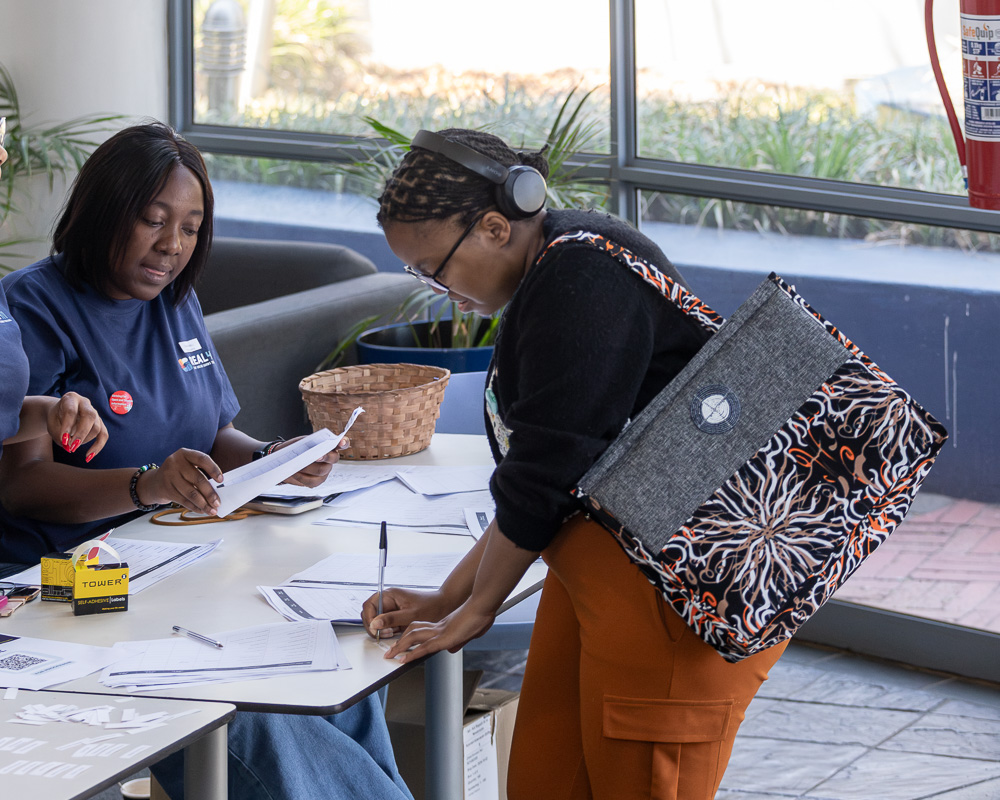
Arrival and registration

10:00–10:05

Main Hall

Welcome and opening

William Bird, Director, Moxii Africa

10:05–10:35

Main Hall

Keynote: We Need to Talk Cyber — information manipulation, democracy and media freedom in the age of AI

The messages may be local, but the machinery of information manipulation is global. Drawing on examples from Africa and beyond, this keynote looks at how AI, cyber capabilities and digital infrastructure shape what becomes visible, credible and influential — beyond fabricated content to the accounts, networks and automated systems that spread it, and to efforts to influence what AI systems select and reproduce. Designed for a non-technical audience, it also shows how media can use these technologies to strengthen the reach of reliable information.

Dr Christopher Nehring (Cyberintelligence Institute)

10:35–11:05

Main Hall

From global machinery to local reality: a response

Building directly on the keynote, this session unpacks what was just heard and grounds it in the South African context. If the machinery of information manipulation is global, what does it look like in our newsrooms, our political discourse and the upcoming Local Government Elections?

Moderator: Liezle Wilson. Speakers: Dr Christopher Nehring, Camilla Christie (Embassy of Germany), Kgothatso Mampa

11:05–12:35

Main Hall

Scroll and Poll — unpacking everyday risks and election threats of online harms

Online harms intensify when an election is called. This session covers the full spectrum, from everyday harassment, hate speech and disinformation to the heightened dangers of electoral periods: coordinated disinformation campaigns, targeted attacks on journalists and candidates, and the manipulation of public discourse through paid influence and platform amplification. What do online harms look like in practice, who bears the brunt of them, and what should accountability from platforms, regulators and political actors look like?

Moderator: Professor Prinola Govenden, UNESCO Chair in Cultural Inclusivity and Equity in Digital Media in Africa, University of Johannesburg. Speakers: Cassandra Dorasamy (Amnesty International South Africa), Fikile Moya (IEC), Reggy Moalusi (SANEF), Commissioner Nomahlubi Khwinana (SAHRC)

12:35–14:00

Courtyard

Lunch

14:00–15:30

Main Hall

Workshop 1 — Masterclass: More than just deepfakes — AI disinformation and what to do about it

AI is changing how misleading information is created, distributed and encountered by people and by information systems. This interactive masterclass works through cases from Africa and beyond, with particular attention to elections, democracy and media freedom. Detection challenges and verification exercises ask participants to assess evidence, question first impressions and make editorial decisions under uncertainty, alongside debunking, AI labels, source transparency and tools for coordinated fact-checking.

Expert input: Dr Christopher Nehring (Cyberintelligence Institute)

14:00–15:30

Classroom 1

Workshop 2 — UNHCR: Exploring the language of displacement, migration, othering and harm

Session details to be confirmed.

Katie Drew, Mbali Mushatama and Phoroki Malesoena (UNHCR)

15:30–17:00

Library

Reporter’s Notebook — The End of the World As We Never Knew It

For the first time since the end of World War II, a party that is at least in parts right-wing extremist stands a good chance of governing a German federal state. What is happening right now? What are the reasons for this development? And how dangerous is it? Cornelius Pollmer has been researching and writing about East Germany for 20 years and reports on what it is like to work as a journalist in a region where journalism is met with deep skepticism.

In conversation with Cornelius Pollmer (Die Zeit)

17:00–17:30

Courtyard

Afternoon tea

17:45–19:15

Main Hall

Rate the Hate — exploring the legal boundaries of freedom of expression

A deep dive into the legal dimensions of freedom of expression. The Rate the Hate challenge confronts the moral dilemmas of free speech and invites thought-provoking discussion.
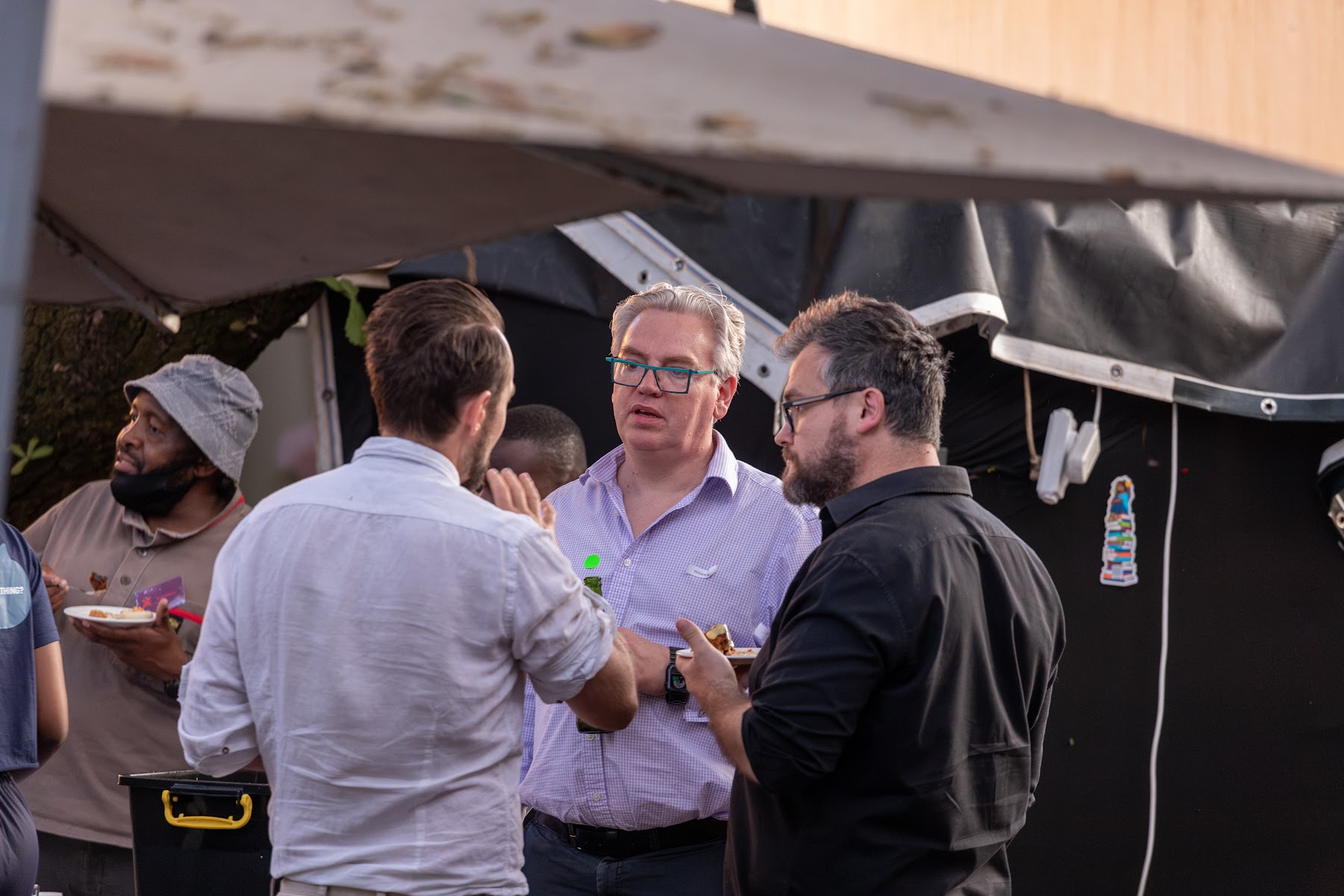
MC: Kgomotso Modise. Judge: Ben Winks. Competitors: Zukiswa Pikoli, Takudzwa Pongweni, Tamika Thumbiran, Phenyo Sekati, Ahmed Kajee

19:15–20:00

Courtyard

Dinner and departure

Music, mingling and chatting.

Day 2 Thursday 15 October

Platform accountability · MC: Kgothatso Mampa

09:30–10:00

Foyer

Arrival and registration

10:00–10:15

Main Hall

Welcome and keynote

Hendrik Sittig (Director, Konrad Adenauer Stiftung Regional Media Programme Sub-Saharan Africa)

10:15–10:30

Main Hall

Day 1 recap

Kgothatso Mampa

10:30–11:00

Main Hall

Toolkits for tackling online harms — launch of three new Moxii Africa handbooks

The official launch of the Judicial Handbook for Navigating Online Harms, Your Images, Your Rights, and the Police Handbook for Navigating Cyber Crimes. Together they equip the judiciary, survivors and SAPS to recognise, investigate, adjudicate and respond to online harms, from harassment, hate speech and cyberstalking to extortion, data breaches, financial cybercrime and non-consensual intimate image sharing.

Moderator: Lister Namumba-Rikhotso (Moxii Africa). Speakers: Sophie Smit, Phenyo Sekati and Claire Dehosse (ALT Advisory)

11:00–12:30

Main Hall

From the EU to South Africa — regulating digital platforms in South Africa

What can South Africa learn from the European Union as it works out how to regulate online safety and platform governance? This session launches a new study by Nicole Fritz and Justine Limpitlaw on the EU’s Digital Services Act and Digital Markets Act, drawing on a research trip to the EU and engagements with regulators, policymakers, civil society, competition authorities and platforms. The report launch is followed by a panel on what the findings mean for South Africa.

Moderator: Dinesh Balliah (Wits Centre for Journalism). Speakers: Justine Limpitlaw, Nicole Fritz (Campaign for Free Expression), Kayan Leung (Lawyers for Human Rights), Tina Power (Power Law Africa)

12:30–13:00

Main Hall

Lightning Talks — quickfire inputs

Leading experts take a few minutes each to dig into the issues shaping our media and our democracy.

Moderator: Kgothatso Mampa. Speakers: Mpho Makhubela (LHR) — From online narratives to real harm: holding platforms and perpetrators accountable in South Africa; Willard Mapfumo (University of Johannesburg) — Who controls the feed? Platform power and the struggle for information integrity; Tsepang Molefe (groundWork) — Misleading narratives in the age of climate change; Lister Namumba-Rikhotso (Moxii Africa) — Moxii Africa Elections Hub; Mish Naidoo (WeThePeople) — Creating an open and democratic society; Athandiwe Saba (SANEF) — How SANEF helps reporters make sense of all the elections data

13:00–14:30

Courtyard

Lunch

14:30–16:00

Main Hall

Workshop 1 — Masterclass: Spotting bad actors — elections, AI and ghost reporters

A hands-on masterclass on recognising coordinated inauthentic behaviour, AI-generated content and ghost reporters in election coverage.

Expert input: Jean le Roux (Graphika)

14:30–16:00

Classroom 1

Workshop 2 — UNHCR: What happens when fact-checking isn’t enough and trust has broken down?

A UNHCR workshop on what newsrooms and civil society can do when fact-checking alone no longer restores trust.

Hopewell Radebe (SANEF) and Ntsako Manganyi (Moxii Africa)

14:00–16:00

Seminar Room

Workshop 3 — Disinformation and elections (closed, invitation only)

Dr Christopher Nehring and Athandiwe Saba

16:00–17:30

Library

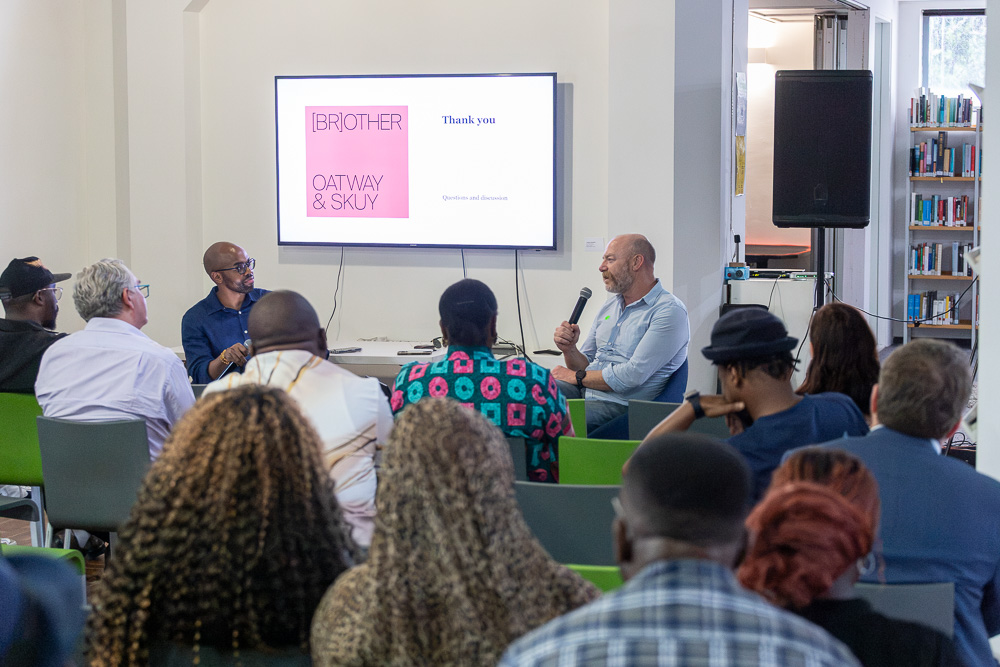
Reporter’s Notebook — ethics in photojournalism and imaging xenophobic violence

In conversation with James Oatway (Photojournalist)

17:30–18:00

Courtyard

Afternoon tea

18:00–19:30

Main Hall

Tall Tales & Trivia — Elections Disinformation Quiz Night

Hosted by Quiz Nights SA. Free to play, with prizes to be won.

19:30–20:30

Courtyard

Dinner and departure

Music, mingling and chatting.

Day 3 Friday 16 October

The role of journalists and media coverage during elections · MC: Liezle Wilson

09:30–10:00

Foyer

Arrival and registration

10:00–10:30

Main Hall

Keynote — information integrity and its importance ahead of #LGE2026

Minister Solly Malatsi

10:30–12:00

Main Hall

Panel: From rivals to allies — journalists, creators and building trust before elections

During elections, it matters what's true. It also matters who voters believe. In Kenya, digital creators now make up the largest share of civic storytellers. Yet audiences trust journalists far more: about half of respondents rate journalists in the top two trust levels, compared with roughly a quarter for creators. Journalists have the verification skills, and creators have the reach and cultural fluency. Neither can protect election information alone.South Africa is heading the same way. The Reuters Institute's Digital News Report 2026 finds that news creators are gaining influence while newsrooms shrink. It calls on legacy brands and creators to agree on shared editorial guardrails.This session shares findings from Preparing Kenya's Storytellers for 2027 and Beyond, research by Baraza Media Lab and the Thomson Reuters Foundation.The panel aims to show how journalists and content creators can work together, pairing journalists' verification skills and credibility with creators' reach and cultural fluency, to promote information integrity.

Moderator: Lydia Obeiro (Thomson Reuters Foundation). Speakers: Gakii Mbae (Thomson Reuters Foundation), Cornelius Pollmer (Die Zeit), Verashni Pillay (Explain), Hopewell Radebe (SANEF)

12:00–12:30

Main Hall

Lightning Talks — quickfire inputs

Leading experts take a few minutes each to dig into the issues shaping our media and our democracy.

Moderator: Liezle Wilson. Speakers: Naushad Khan (AIP) — Beyond survival: building a suitable future for community media in South Africa; Uyanda Siyotula (SOS Coalition) — The role of public service media in elections; Ashley Fualefeh (University of Johannesburg) — Who tells the election story? Gen Z perceptions and the changing landscape of digital election coverage; Wade Manning (Defend Our Democracy); Jabu Mthombeni (Auxo); Ntsako Manganyi (Moxii Africa) — Reporting disinformation in the time of elections

12:30–14:00

Courtyard

Lunch

14:00–15:30

Main Hall

Presentation and Q&A — The Value of Being Human: constructive journalism in the age of AI

As artificial intelligence transforms how information is produced, distributed, and consumed, journalism faces a fundamental question: What is the unique value of journalism in a world where machines can increasingly produce convincing information?

Expert input: Ellen Heinrichs (Bonn Institute)

15:30–17:00

Library

Reporter’s Notebook — Will anyone care about this?

In conversation with Qaanitah Hunter (Debrief Network)

17:00–18:30

Courtyard

Dinner and programme break

All attendees travel to the Wits Theatre for the Reporters Slam.

18:30–19:00

The Wits Theatre, 24 Station Street, Braamfontein

Reporters Slam — arrival and registration

19:00–21:30

The Wits Theatre, 24 Station Street, Braamfontein

Reporters Slam

For the second time in South Africa, Reporters Slam is back. In collaboration with the Konrad-Adenauer-Stiftung (KAS), journalists get a 7-minute live performance to reveal the story behind their reporting: journalism meets storytelling, sharp, entertaining and deeply human. The audience decides the winner.
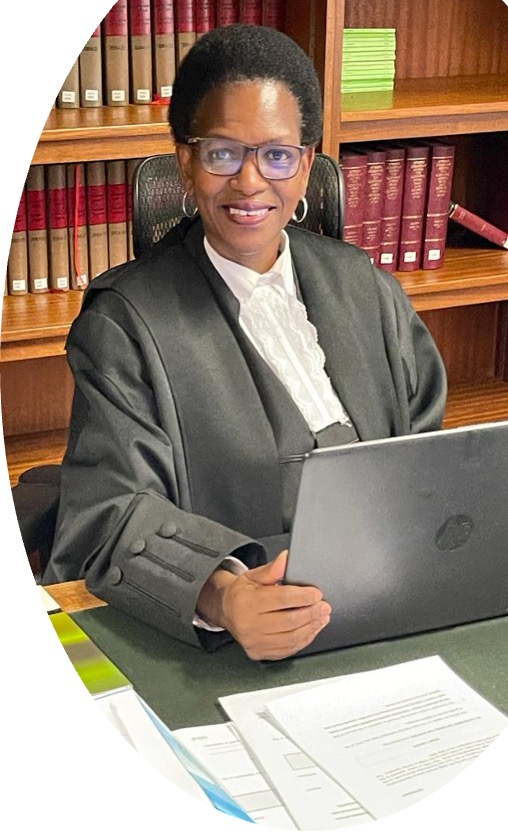
MC: Kgaugelo Masweneng. Competitors: Kgomotso Modise (Eyewitness News), Pontsho Pilane (author and former Mail & Guardian journalist), Herman Moloi (The Sowetan), Promise Marupeng (Southern Africa Accountability Journalism Project), Cornelius Pollmer (Die Zeit)

21:30

Closure and departure

Voices of the festival

Our Speakers

More than fifty speakers, moderators and facilitators took the stage across the three days. Our thanks to every one of them.

Day 1
Wednesday 14 October
Kgomotso Modise

Kgomotso Modise

Journalist
EyeWitness News (EWN)
Fikile Moya

Fikile Moya

General Manager: Communications: Electoral Commission
Electoral Commission of South Africa (IEC)
Ben Winks

Ben Winks

Advocate
Media, Constitutional, and International Law
William Bird

William Bird

Director
Moxii Arica
Liezle Wilson

Liezle Wilson

Broadcast Journalist
Kgothatso Mampa

Kgothatso Mampa

Technology, media and telecommunications admitted attorney
Cassandra Dorasamy

Cassandra Dorasamy

Campaigner
Amnesty International South Africa
Nomahlubi Khwinana

Nomahlubi Khwinana

Commissioner
South African Human Rights Commission
Cornelius Pollmer

Cornelius Pollmer

Head: East Germany Department
Die Zeit
Zukiswa Pikoli

Zukiswa Pikoli

Managing Editor: Maverick Citizen
Daily Maverick
Takudzwa Pongweni

Takudzwa Pongweni

Journalist
Daily Maverick
Phenyo Sekati

Phenyo Sekati

Candidate Legal Practitioner
Power & Associates
Katie Drew

Katie Drew

Senior Digital Project Manager: Information Integrity
UNHCR
Phoroki Malesoena

Phoroki Malesoena

Protection Associate
UNHCR
Mbali Mushatama

Mbali Mushatama

Protection Associate
UNHCR
Ahmed Kajee

Ahmed Kajee

Journalist
Dr Christopher Nehring

Dr Christopher Nehring

Director of Intelligence
Cyberintelligence Institute
Professor Prinola Govenden

Professor Prinola Govenden

UNESCO Chair in Cultural Inclusivity and Equity in Digital Media in Africa (2026 – 2030)
University of Johannesburg (UJ)
Reggy Moalusi

Reggy Moalusi

Executive Director
South African National Editors' Forum (SANEF)
Day 2
Thursday 15 October
Tina Power

Tina Power

Managing Director
Power Law Africa
Mpho Makhubela

Mpho Makhubela

Communications Officer
Lawyers for Human Rights
Kayan Leung

Kayan Leung

Deputy Director
Lawyers for Human Rights
Kgothatso Mampa

Kgothatso Mampa

Technology, media and telecommunications admitted attorney
Phenyo Sekati

Phenyo Sekati

Candidate Legal Practitioner
Power & Associates
Hendrik Sittig

Hendrik Sittig

Executive Directoe
The Konrad-Adenauer-Stiftung’s Regional Media Programme for Sub-Saharan Africa
Lister Namumba-Rikhotso

Lister Namumba-Rikhotso

Programme Manager: Monitoring, Research and Analysis
Moxii Africa
Sophie Smit

Sophie Smit

Associate
Power Law Africa
Claire Dehosse

Claire Dehosse

Associate
ALT Advisory & Power Law Africa
Dinesh Balliah

Dinesh Balliah

Director
Wits Centre for Journalism
Jean le Roux

Jean le Roux

James Oatway

James Oatway

Hopewell Radebe

Hopewell Radebe

Project Manager
SANEF
Ntsako Manganyi

Ntsako Manganyi

Programme Manager: Community Building and Engagement
Moxii Africa
Mish Naidoo

Mish Naidoo

Senior Legal Researcher
We the People SA
Athandiwe Saba

Athandiwe Saba

SANEF
Dr Christopher Nehring

Dr Christopher Nehring

Director of Intelligence
Cyberintelligence Institute
Justine Limpitlaw

Justine Limpitlaw

Co-author, EU Platform Regulation Study
Nicole Fritz

Nicole Fritz

Co-author, EU Platform Regulation Study
Willard Mapfumo

Willard Mapfumo

PhD candidate in Journalism
The University of Johannesburg (UJ)
Day 3
Friday 16 October
Kgomotso Modise

Kgomotso Modise

Journalist
EyeWitness News (EWN)
Qaanitah Hunter

Qaanitah Hunter

Founding Editor
Debrief Network
Liezle Wilson

Liezle Wilson

Broadcast Journalist
Cornelius Pollmer

Cornelius Pollmer

Head: East Germany Department
Die Zeit
Minister Solly Malatsi

Minister Solly Malatsi

Minister
Department of Communications and Digital Technologies
Verashni Pillay

Verashni Pillay

Founder
Explain
Hopewell Radebe

Hopewell Radebe

Project Manager
SANEF
Ntsako Manganyi

Ntsako Manganyi

Programme Manager: Community Building and Engagement
Moxii Africa
Njabulo Mthombeni

Njabulo Mthombeni

Co-Founder
Auxo Digital
Wade Manning

Wade Manning

Director
Defend Our Democracy
Ellen Heinrichs

Ellen Heinrichs

Found and Director
Bonn Institute
Naushad Khan

Naushad Khan

Lightning Talk
Association of Independent Publishers
Ashley Fualefeh

Ashley Fualefeh

Master’s candidate in Journalism
The University of Johannesburg (UJ),
Uyanda Siyotula

Uyanda Siyotula

Lightning Talk
SOS Coalition

Stay in the conversation

Follow @MoxiiAfrica and use #MFF26 or #MediaFreedomFestival2026 to keep the conversation going. We look forward to seeing you at the next Media Freedom Festival.

Reach out to us for more details: events@mma.org.za